Preparing Stl File For 3d Printing
Preparing STL Files for 3D Printing
What is an STL File?
STL stands for 'stereolithography' and is a file format specifically created for 3D printing. It is a type of 3D representation of an object that is composed of triangles. The file is made up of the surface geometry of a 3D object and contains data about the orientation and size of the triangles. It is a widely used format in 3D printing, and most 3D printers are compatible with STL files.
Why Prepare an STL File for 3D Printing?
Preparing a file for 3D printing is important to ensure that the object will be printed correctly and will have the desired look and finish. It is important to check the file for any errors or issues before sending it to the 3D printer. By preparing the file correctly, you can avoid errors during the printing process and maximize the quality of the finished object.
Steps for Preparing an STL File for 3D Printing
When preparing an STL file for 3D printing, there are several steps that should be taken to ensure that the file is ready for printing. These steps are outlined below:
1. Check the File Format
The first step is to check the file format to ensure that it is in the correct format for 3D printing. Most 3D printers are compatible with STL files, so it is important to make sure that the file is in this format. If the file is not in the correct format, it will need to be converted.
2. Check the File Size
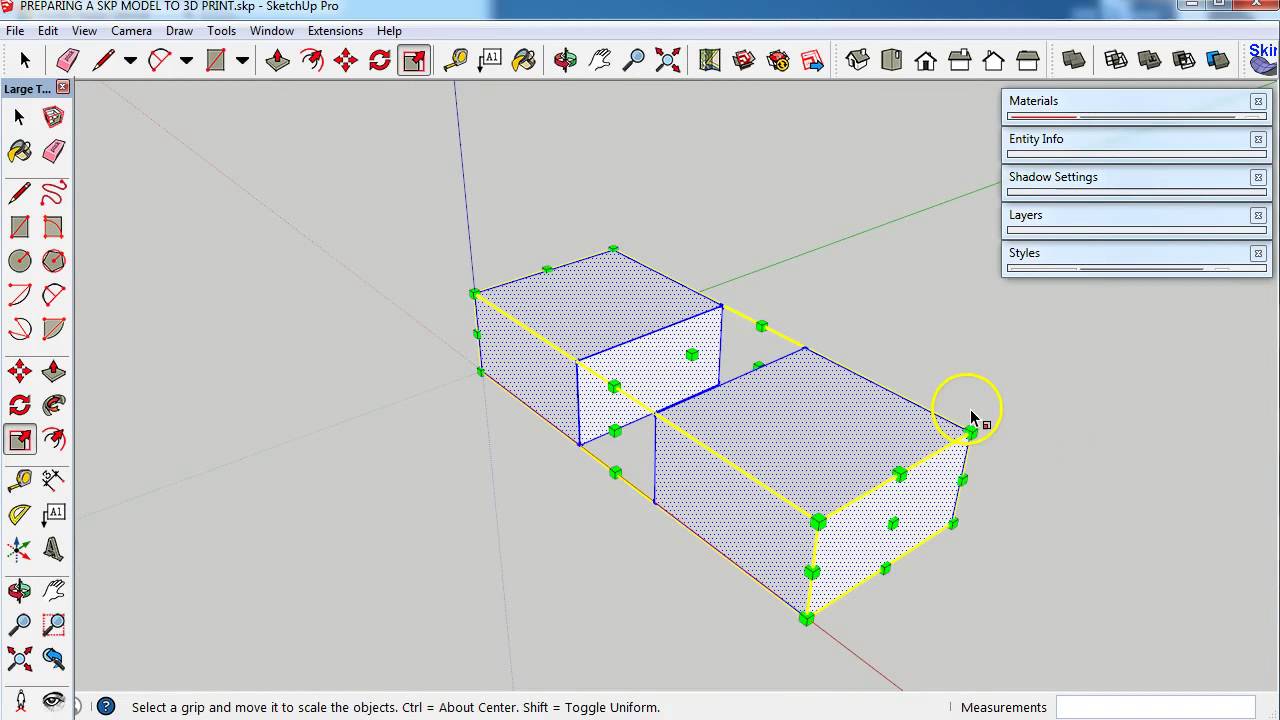
The next step is to check the file size. The file should be within the maximum size limit of the 3D printer. If the file is too large, it may need to be scaled down or split into multiple parts. This can be done using 3D modeling software.
3. Check the Wall Thickness
The wall thickness of the object should also be checked. The walls should be at least 1.5mm thick to ensure that the object will print correctly. If the walls are too thin, they may not print correctly, or they may break during the printing process.
4. Check for Overhangs
The object should also be checked for any overhangs or unsupported surfaces. If there are any overhangs, they will need to be supported during the printing process. This can be done by adding support structures or by adding a brim or skirt to the object.
5. Check for Sharp Edges
The edges of the object should also be checked. Sharp edges can cause issues during the printing process and can cause the object to break or otherwise not print correctly. If the object has sharp edges, they should be rounded or smoothed out to ensure that the object will print correctly.
6. Check for Errors
The file should also be checked for any errors or issues. This can be done using 3D modeling software, which can check the file for any errors or issues and alert the user. It is important to check for any errors before sending the file to the 3D printer, as this will ensure that the object will print correctly.
Conclusion
Preparing an STL file for 3D printing is an important step in the 3D printing process. By taking the time to check the file for any errors or issues, you can ensure that the object will be printed correctly and will have the desired look and finish. Following the steps outlined above will help ensure that the object will print correctly and will have the desired look and finish.
