Autodesk Maya Character Modeling Tutorial
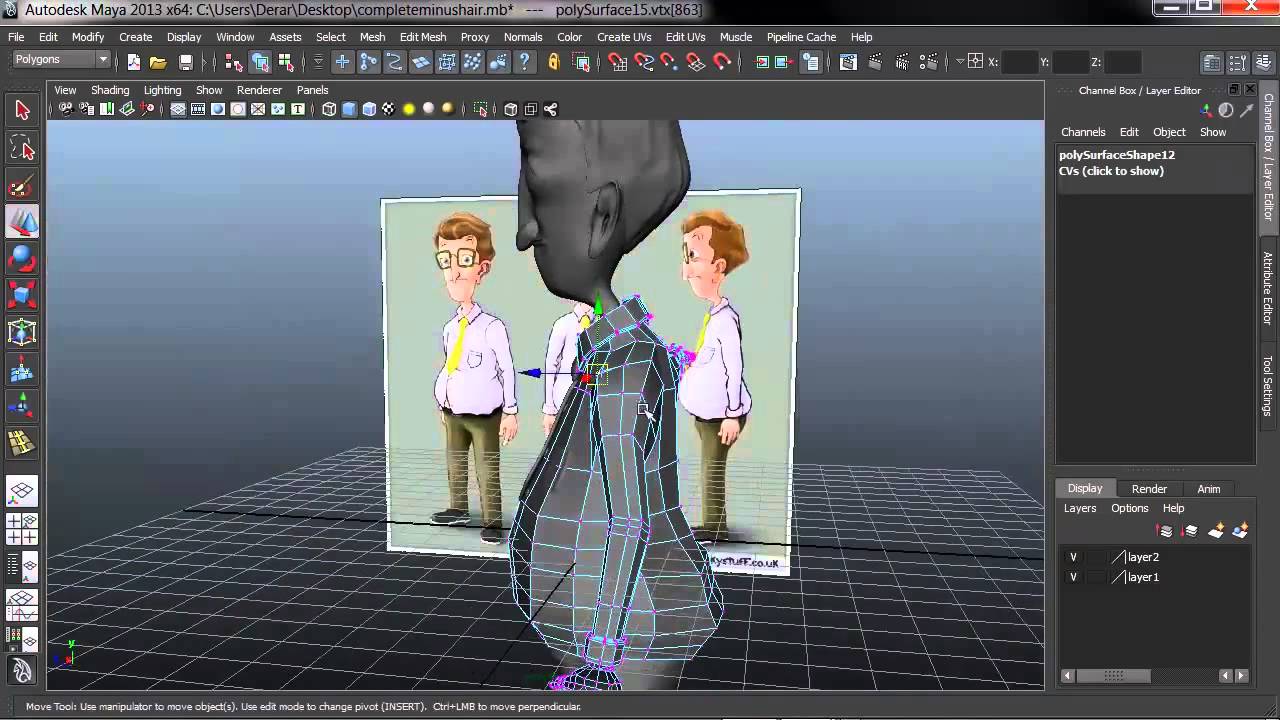
Autodesk Maya Character Modeling Tutorial
If you are an aspiring 3D artist looking to learn the ropes of character modeling, then Autodesk Maya is one of the best software programs to use. With its powerful tools, you can create stunning 3D models with ease. In this tutorial, we will explore the basics of character modeling with Autodesk Maya. We'll cover topics such as sculpting, texturing, rigging, and animation, to name a few.
Prerequisites
Before we get started, it's important to note that this tutorial assumes you have a basic understanding of 3D modeling, particularly in Autodesk Maya. We recommend that you have some experience with the program before attempting to model a character. Additionally, you should have a basic knowledge of anatomy and figure drawing.
Getting Started
Once you have the prerequisite knowledge, it's important to have the right tools for the job. Autodesk Maya is a powerful 3D modeling software, but it's important to have the right tools to achieve the best results. In addition to the software, you'll need a good graphics tablet, a 3D mouse, or a stylus and pen to create your character. You'll also need a good reference image of the character you want to create. Having a reference image will help you in the sculpting process.
Modeling
Once you have your reference image, you can begin modeling your character. If you're a beginner, it's recommended to start with a simple base mesh. You can use a cube, sphere, or cylinder as the base for your character. From here, you can begin sculpting and shaping the model to match your reference image. You can use various tools, such as the Move, Rotate, and Scale tools, to adjust the shape of your character. Additionally, you can use the Extrude and Smooth tools to add detail to your character. As you sculpt, it's important to keep the reference image in mind to ensure your model matches the reference.
Texturing
Once your model is complete, it's time to add texture. Texturing a 3D model can be a difficult and time-consuming process, but it's important to get it right. You can use a variety of tools and techniques to achieve the desired results. For example, you can use image-based textures for photorealistic results, or you can use procedural textures for more stylized results. Additionally, you can use a variety of texture painting tools to paint directly onto the model. Once you have the textures applied, you can adjust the colors and textures to achieve the desired results.
Rigging and Animation
Once the texturing is complete, you can begin rigging and animating your model. Rigging is the process of creating a skeleton for your character to give it the ability to move and deform. You can use a variety of tools, such as the Joint, IK, and Skinning tools, to create a skeleton for your character. Additionally, you can use the Constraint and Set Driven Key tools to create a more complex rig. Once the rig is complete, you can begin animating your character. You can use the Animation tool to create keyframes for your character, or you can use motion capture data to give your character realistic motion.
Conclusion
Character modeling is a fun and rewarding process. With Autodesk Maya, you can create stunning 3D models with ease. In this tutorial, we explored the basics of character modeling with Autodesk Maya. We covered topics such as sculpting, texturing, rigging, and animation. With the right tools and knowledge, you can create stunning 3D characters with ease.
