How To Model A 3d Character In Maya
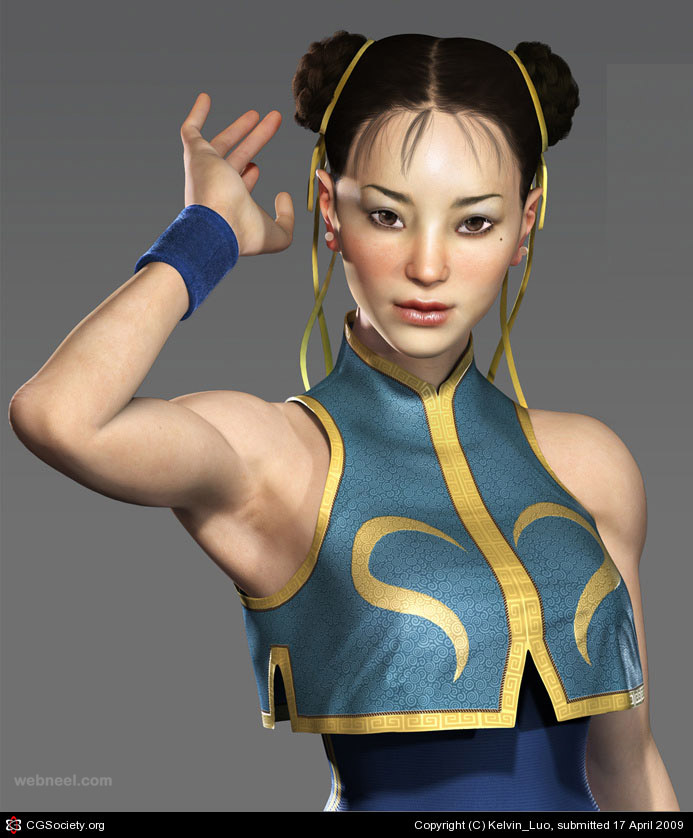
How To Model A 3d Character In Maya
Choose A Model
Before you begin to model a 3d character in Maya, you must decide which character to create. You can start with simple characters or you can use a pre-made model. If you choose to start from scratch, you will need to decide on the proportions of your character. This includes the height, width, and facial features. If you use a pre-made model, you will still need to adjust the proportions to match your desired character. Once you have decided on the model, you can move on to the next step.
Create The Mesh
Once you have chosen a model, you can begin to create the 3d mesh. You will need to start with a basic shape, such as a cube or cylinder. This is the foundation that you will build your character on. You can use the Maya tools to shape the mesh, such as the extrude tool, or you can use the sculpt tool to refine the details. Once you have the basic shape, you will need to add more polygons to create the desired level of detail.
Add Textures
Once you have created the mesh for your 3d character, you can start to add textures. Textures are images that are applied to the 3d model to give it a realistic look. You can use images to create textures, or you can use procedural textures. Procedural textures are generated using algorithms, and they can be used to create more realistic textures. Once you have added the textures, you will need to adjust the lighting to make sure the textures are displayed correctly.
Create Rigging
Once the model and textures are complete, you can move on to rigging. Rigging is the process of adding joints and controls to your 3d character. This allows you to control the character in a realistic way. You will need to create a hierarchy of joints, and add controls for each joint. You can use Maya's built-in tools or you can use scripts to create the rigging. Once you have completed the rigging, you can start animating your character.
Animating
Animating is the process of adding movement to your 3d character. You can animate your character using keyframes or using motion capture data. Keyframes are frames of animation that you create manually. Motion capture data is recorded from a real person and used to animate the character. Once you have created the animation, you can adjust the timing and add effects to make the animation more realistic.
Rendering
Once the animation is complete, you can render your 3d character. Rendering is the process of creating a final image from the 3d model. You can use Maya's built-in renderer or you can use a third-party renderer. You will need to adjust the lighting, materials, and cameras to get the desired results. Once you have rendered the image, you can export it as a still image or as a video.
Conclusion
Modeling a 3d character in Maya can be a challenging but rewarding experience. It requires a lot of planning and patience. By following these steps, you should be able to create a realistic 3d character that can be used in any project. With practice and experience, you should be able to create more complex models and animations.
