An Introduction To Three Dimensional Climate Modeling
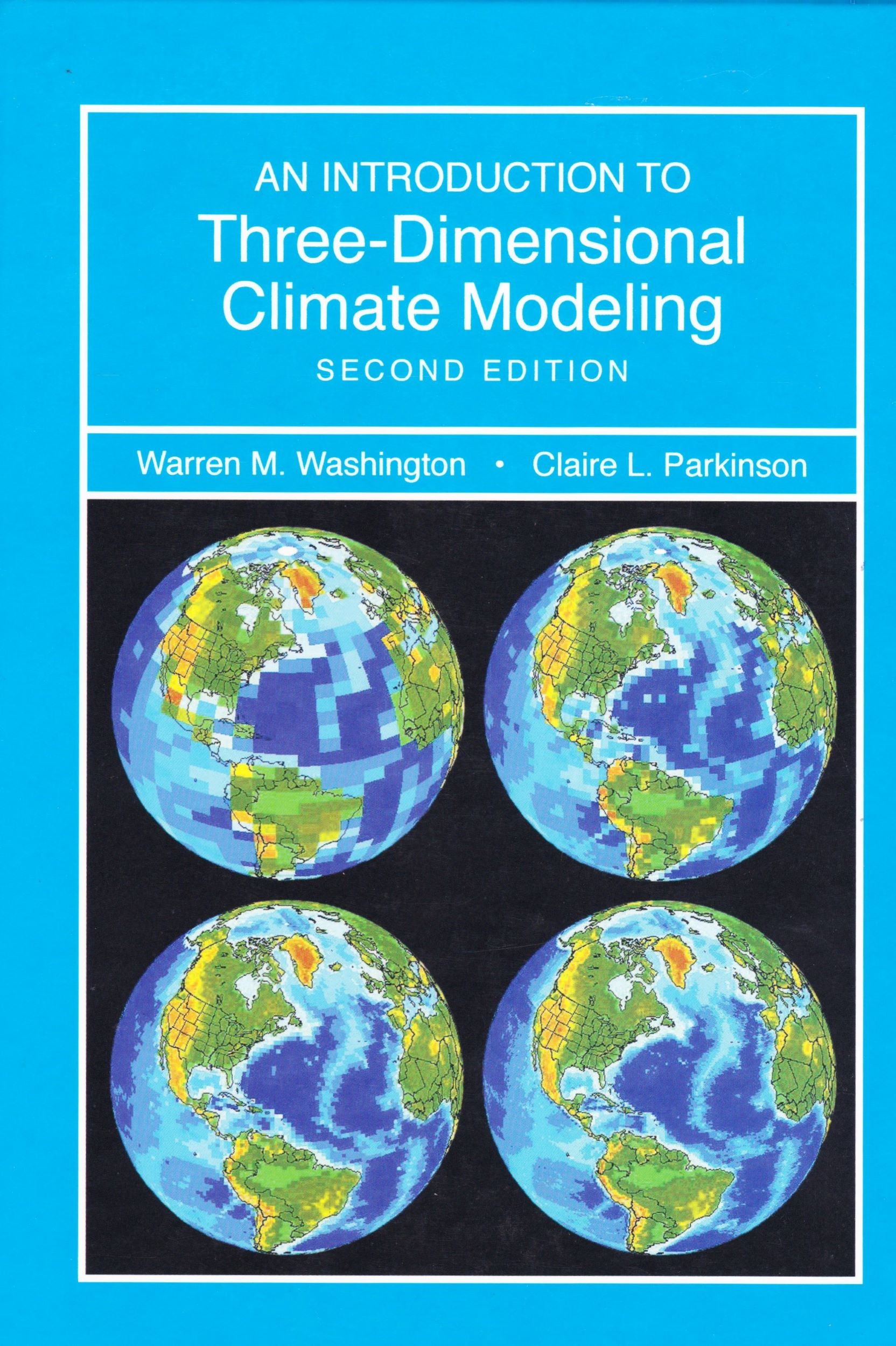
An Introduction To Three Dimensional Climate Modeling
What is Three Dimensional Climate Modeling?
Three dimensional climate modeling is a way of predicting future climate change and understanding past climate change. It involves mapping the climate of a three-dimensional space, such as a region or the entire globe. This type of modeling uses a variety of data sources to create an accurate representation of the climate over time and space. It is a powerful tool for predicting future climate change and understanding how climate has changed in the past.
Three-dimensional climate modeling is used to understand the physical processes that drive climate change. It is also used to identify how climate change could affect different regions of the world, and how human activities could influence climate change. This type of modeling has been used to investigate the role of greenhouse gases on climate, and to create climate models for climate projection studies. It has also been used to develop climate models for weather prediction.
How Does Three Dimensional Climate Modeling Work?
Three-dimensional climate modeling involves collecting data from a variety of sources, including satellite imagery, ground-based observations, and climate reconstructions. This data is used to build a three-dimensional model of the climate. The model is then run through a computer program, which simulates the climate over time and space. The model is run multiple times to create a range of possible future climate scenarios.
The models are typically run for a period of several decades to 100 years or more. As the model is run, the climate changes in response to various factors, such as changes in greenhouse gas concentrations, changes in land use, and changes in solar radiation. The models also take into account natural variability, such as El Niño events, in order to create a more accurate representation of the climate.
Applications of Three Dimensional Climate Modeling
Three dimensional climate modeling is used for a variety of applications. It is used to create climate projections, which are forecasts of what the climate may be like in the future. These projections are used to inform decision making and policy development. The models are also used to understand how climate change could impact different areas of the world, such as temperature, precipitation, sea level rise, and extreme weather events.
The models are also used to understand the impacts of human activities on climate change. By running simulations with different scenarios, scientists can identify how different activities, such as burning fossil fuels, could affect the climate. This information can then be used to inform decision making and policy development.
Conclusion
Three dimensional climate modeling is a powerful tool for predicting future climate change and understanding how climate has changed in the past. It involves collecting data from a variety of sources and creating a three-dimensional model of the climate. This model is then run through a computer program to simulate the climate over time and space. The models are used for a variety of applications, including creating climate projections, understanding how climate change could affect different regions of the world, and understanding the impacts of human activities on climate change.
