How To Import 3d Objects In After Effects
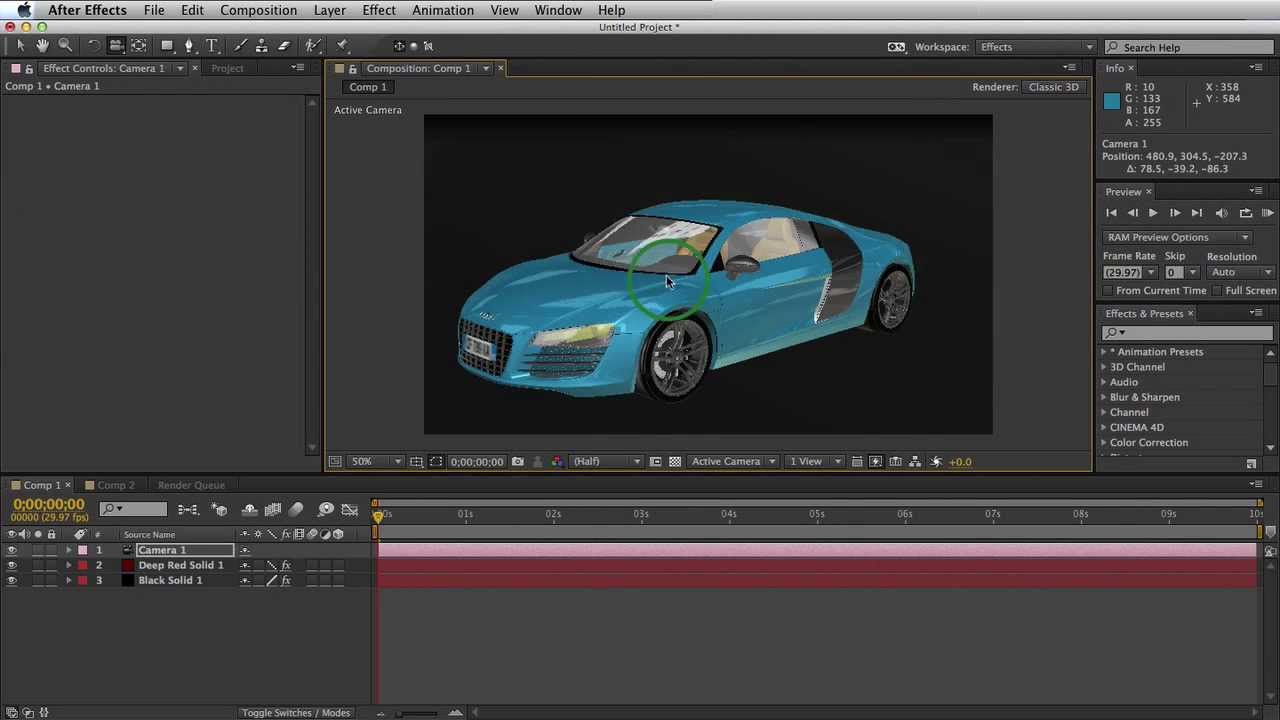
How To Import 3d Objects In After Effects
Introduction
Adobe After Effects is a powerful software application for creating motion graphics, special effects, and animations. It is often used for movie titles, video transitions, and post-production effects. After Effects can also be used to create 3D elements and its powerful 3D rendering engine allows you to incorporate 3D objects into your projects. In this tutorial, we will show you how to import 3D objects into After Effects and use them to create stunning visual effects.
Step 1 - Preparing the 3D Object
Before you can import a 3D object into After Effects, you need to prepare it first. The most common file format for 3D objects is OBJ, which is typically used in 3D modeling applications. To import a 3D object into After Effects, it must first be converted to a compatible format. To do this, you can use a 3D modeling application such as Blender, or you can use a free online converter such as Meshlab or Online-Convert.com.
Step 2 - Importing the 3D Object
Once your 3D object is ready, you can import it into After Effects. To do this, open After Effects and go to the File menu. Select “Import” and then “File…”. In the “Files of type” dropdown menu, select the 3D file format you want to import (OBJ, STL, etc). Select the file you want to import and click “Open”.
Step 3 - Working with the 3D Object
Once the 3D object is imported into After Effects, you can start working with it. The 3D object can be manipulated in a variety of ways, including changing its position, scale, and rotation. You can also apply various effects and materials to the 3D object, such as lighting, shadows, textures, and more. To make changes to the 3D object, simply select it in the timeline and use the Properties panel to make the desired adjustments.
Step 4 - Rendering the 3D Object
Once you have finished working with the 3D object, you can render it. Rendering is the process of converting the 3D object into a 2D image or animation. To render the 3D object, go to the Composition menu and select “Add to Render Queue”. This will open the Render Queue window, where you can select the desired output format and settings. When you are ready, click “Render” to start the rendering process.
Conclusion
As you can see, importing and working with 3D objects in After Effects is relatively easy. With the help of this tutorial, you should now have a good understanding of how to import 3D objects into After Effects and use them to create stunning visual effects. Have fun creating!
