3 Types Of 3d Modeling
Thursday, December 1, 2022
Edit
3 Types Of 3d Modeling
Polygonal 3D Modeling
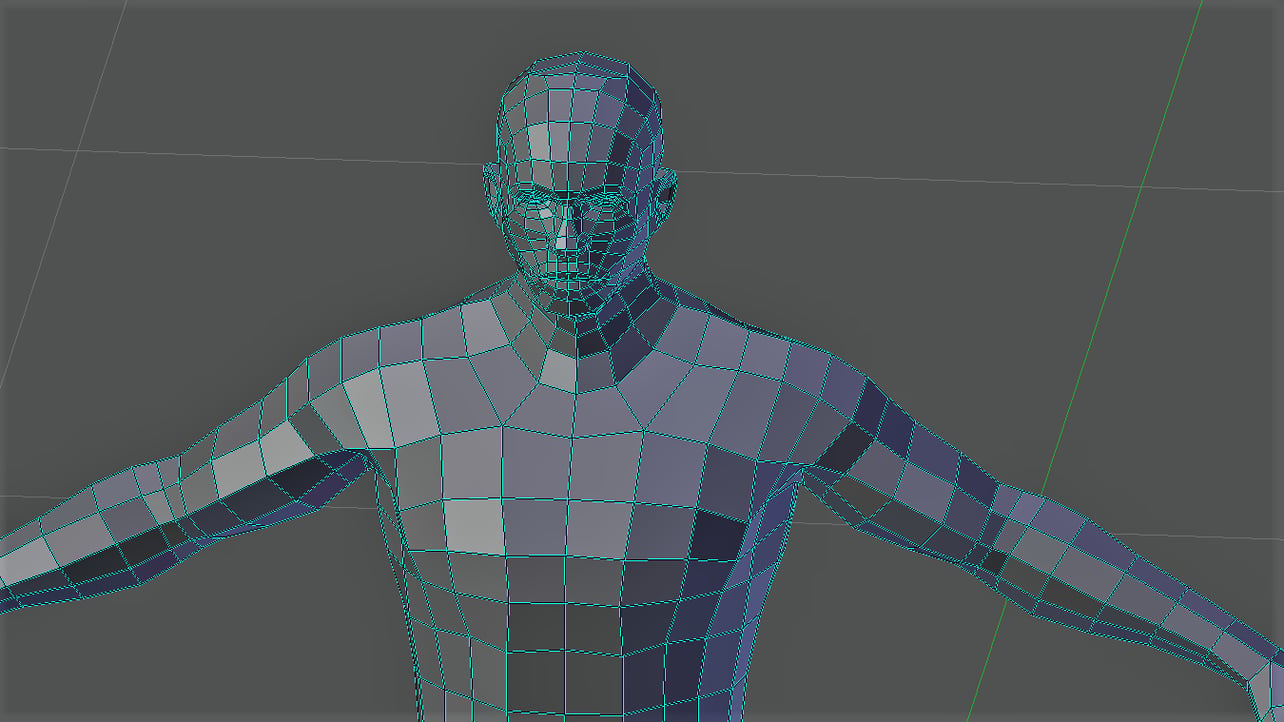
Polygonal 3D modeling is a type of 3D modeling in which the object is constructed using polygons. This type of modeling is the most commonly used in 3D modeling applications, such as Autodesk Maya, 3ds Max and Blender. The basic idea behind this type of modeling is to break down the object into a series of smaller polygons, which can then be manipulated to create the desired shape. Polygonal 3D modeling is a relatively simple process and can be used to create a wide variety of shapes and objects.
The main advantage of polygonal 3D modeling is that it is easy to control the shape of the object. The user can easily move, scale or rotate the polygons to create the desired shape. Polygonal 3D modeling can also be used to create complex shapes and objects, such as character models or architectural structures. Another advantage of polygonal 3D modeling is that it is relatively easy to animate the object, as the polygons can be easily moved and manipulated.
Subdivision Surface Modeling
Subdivision Surface Modeling is a type of 3D modeling that uses a series of subdivided surfaces to create the desired shape. This type of modeling is often used in 3D animation and VFX applications, such as Autodesk Maya and Blender. The main advantage of subdivision surface modeling is that it is much easier to control the shape of the object. The user can easily move, scale or rotate the surfaces to create the desired shape. Subdivision surface modeling can also be used to create complex shapes and objects, such as character models and architectural structures.
The main drawback of subdivision surface modeling is that it can be computationally intensive, as the polygons have to be subdivided and calculated for each frame of the animation. This can lead to slow render times and high memory usage. Another drawback of subdivision surface modeling is that it can be difficult to get the desired level of detail in the object.
NURBS Modeling
NURBS (Non-Uniform Rational B-Splines) modeling is a type of 3D modeling that uses a series of curves to create the desired shape. This type of modeling is often used in 3D animation and VFX applications, such as Autodesk Maya and Blender. The main advantage of NURBS modeling is that it is relatively easy to control the shape of the object. The user can easily move, scale or rotate the curves to create the desired shape. NURBS modeling can also be used to create complex shapes and objects, such as character models and architectural structures.
The main drawback of NURBS modeling is that it can be computationally intensive, as the curves have to be calculated for each frame of the animation. This can lead to slow render times and high memory usage. Another drawback of NURBS modeling is that it can be difficult to get the desired level of detail in the object.
Conclusion
3D modeling is a powerful tool for creating a wide variety of shapes and objects. There are three main types of 3D modeling: polygonal, subdivision surface, and NURBS modeling. Each type of modeling has its advantages and disadvantages, so it is important to understand the different types before deciding which one is right for your project. With a little practice and patience, anyone can create amazing 3D models.
