Introduction To Three Dimensional Climate Modeling
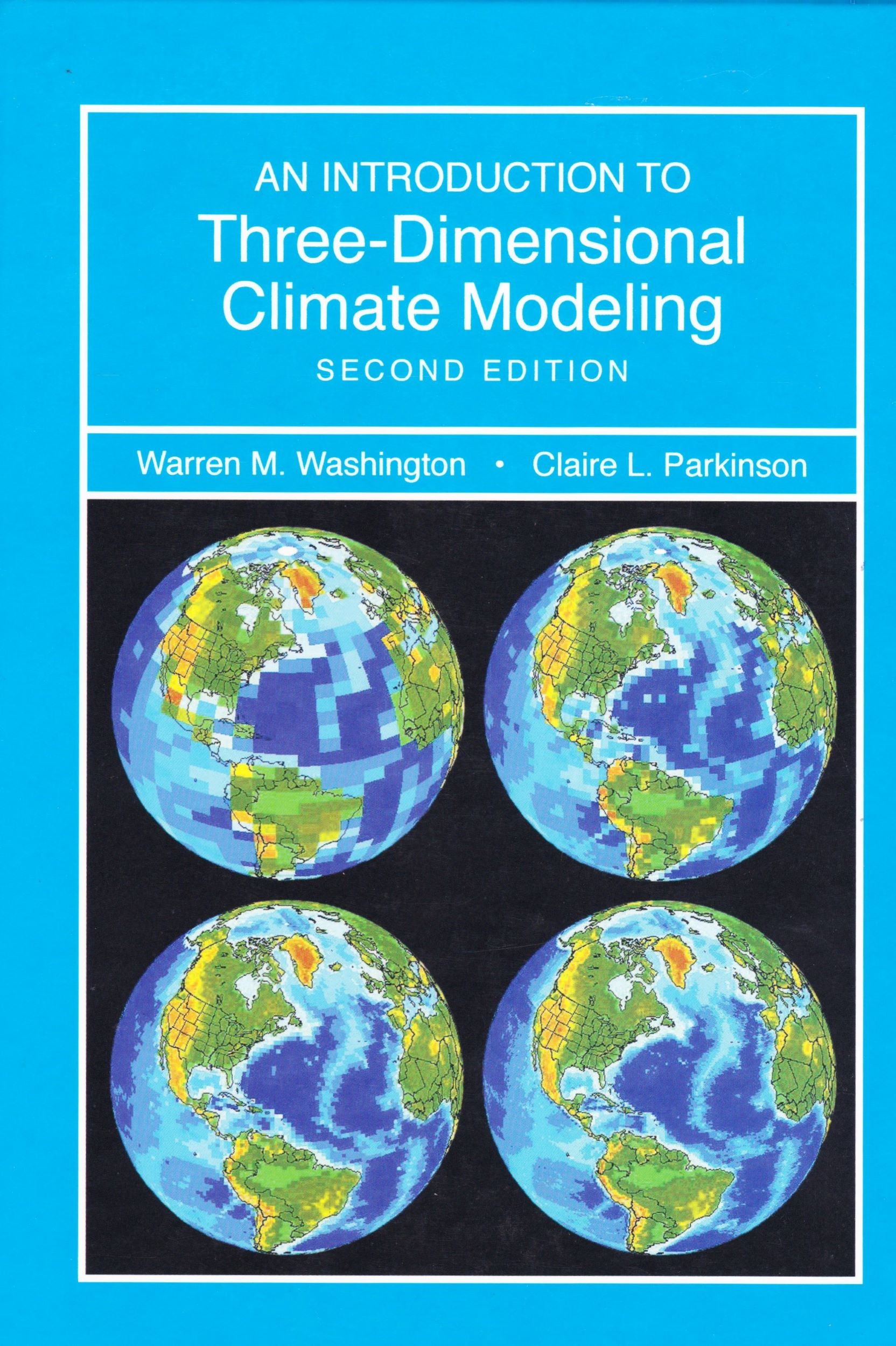
Introduction To Three Dimensional Climate Modeling
Climate modeling is the study of how the Earth’s atmosphere, land, and ocean interact with each other to produce the climate we experience. It is a powerful tool to understand the past, present, and future climate on Earth, and to examine a wide range of climate-related issues, from global warming to extreme weather events. One of the most important and complex aspects of climate modeling is the three-dimensional climate model, which is a computer model used to simulate the climate system on a global scale. In this article, we’ll take a closer look at three-dimensional climate models and how they are used to study the Earth’s climate.
What is a Three-Dimensional Climate Model?
A three-dimensional climate model is a computer model that simulates the Earth’s atmosphere, land, and ocean on a global scale. It is based on equations that represent the physical processes that govern the behavior of the atmosphere, land, and ocean. Three-dimensional climate models are used to study the effects of changes in the climate system, such as increasing concentrations of greenhouse gases, changes in land use, and other human activities. They are also used to predict future climate changes and to assess the impacts of climate change on various aspects of human life, such as food production and water resources.
How Do Three-Dimensional Climate Models Work?
Three-dimensional climate models are based on equations that represent the physical processes that govern the behavior of the atmosphere, land, and ocean. These equations describe how the atmosphere, land, and ocean interact with each other in terms of heat, moisture, and other physical properties. The models also include equations that describe the effects of human activities, such as the burning of fossil fuels, on the climate system. The equations are solved numerically, meaning that they are solved by a computer, which produces a simulated climate system for a given set of initial conditions.
Why are Three-Dimensional Climate Models Important?
Three-dimensional climate models are important because they allow us to study the effects of changes in the climate system on a global scale. For example, these models can be used to study the effects of increasing concentrations of greenhouse gases on the climate, or to assess the impacts of climate change on various aspects of human life. The models are also used to predict future climate changes and to simulate the impacts of various mitigation and adaptation strategies. By providing an accurate picture of the Earth’s climate system, these models can help us to better understand and respond to climate change.
What Are the Limitations of Three-Dimensional Climate Models?
Despite their power and versatility, three-dimensional climate models have some important limitations. They are based on equations that represent the physical processes that govern the behavior of the atmosphere, land, and ocean, but these equations are not perfect and may not accurately represent some processes. Furthermore, the models are limited by the available data and computing power. As a result, the models may not be able to accurately represent some aspects of the climate system and may produce results that are not reliable enough for some applications.
Conclusion
Three-dimensional climate models are powerful tools for understanding and predicting the Earth’s climate. They are based on equations that represent the physical processes that govern the behavior of the atmosphere, land, and ocean and are used to study the effects of changes in the climate system and to predict future climate changes. Despite their power and versatility, these models have some important limitations that should be taken into account when using them to study the Earth’s climate.
