How To Insert 3d Models Into Powerpoint
How To Insert 3D Models Into Powerpoint
Overview of 3D Models
3D models are digital representations of physical objects. They are commonly used in 3D animation and video game design. They are also used for product design, architectural visualization, and even scientific visualization. 3D models can be imported into PowerPoint to add a visual dimension to presentations. This allows the presenter to create slides that are more engaging and memorable. In this tutorial, we will go over the process of importing 3D models into PowerPoint.
Preparing the 3D Model
The first step in importing a 3D model into PowerPoint is to prepare the 3D model. This involves ensuring that the 3D model is in the correct file format. PowerPoint only supports 3D models in the FBX and OBJ formats. It is also important to check that the 3D model is optimized for PowerPoint. This means that the 3D model must be simplified and have its textures and materials applied. Once the 3D model is prepared, it is ready to be imported into PowerPoint.
Importing the 3D Model
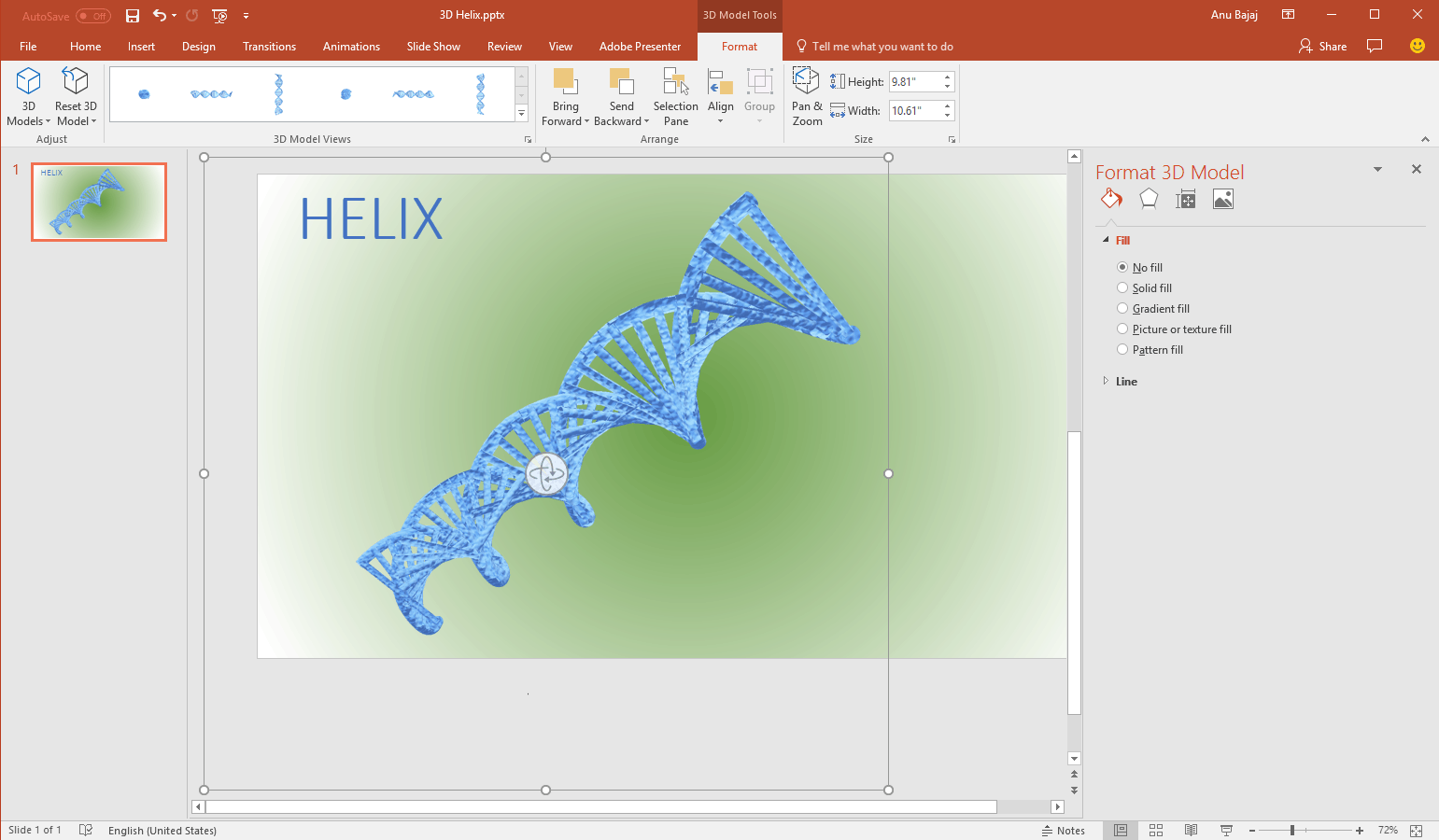
Once the 3D model is prepared, it can be imported into PowerPoint. To do this, open the PowerPoint presentation and select the slide where the 3D model will be inserted. On the Insert tab, select the 3D Models option. This will open a dialog box where you can select the 3D model that you want to insert. Select the 3D model and click the Insert button. This will insert the 3D model into the slide.
Positioning the 3D Model
Once the 3D model is inserted into the slide, it can be repositioned. To do this, select the 3D model and click the 3D Model Tools Format tab. This will open a set of options for manipulating the 3D model. The most important options are the Position and Rotation options. Using the Position options, you can move the 3D model around the slide. Using the Rotation options, you can rotate the 3D model in any direction.
Animating the 3D Model
Once the 3D model is positioned, it can be animated. To do this, select the 3D model and click the Animations tab. This will open a set of animation options. The most important options are the Start, Duration, and Delay options. Using the Start option, you can choose when the animation will start. Using the Duration option, you can choose how long the animation will run for. Using the Delay option, you can choose how long to wait before the animation will start.
Adding Text to the 3D Model
Finally, you can add text to the 3D model. To do this, select the 3D model and click the Text Box option. This will open a text box where you can enter text. The text box can be repositioned and resized, just like any other text box in PowerPoint. Once the text is entered, it will appear on the 3D model. This is a great way to add labels and captions to your 3D models.
Conclusion
In conclusion, 3D models can be imported into PowerPoint to add a visual dimension to presentations. To do this, the 3D model must be prepared and then imported into PowerPoint. Once the 3D model is imported, it can be repositioned, animated, and have text added to it. Using these techniques, you can create engaging and memorable slides with 3D models.
